Decorative Wall Panel: A Designer's Review
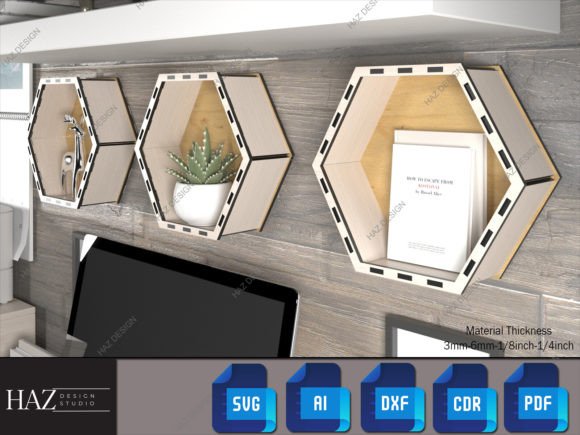
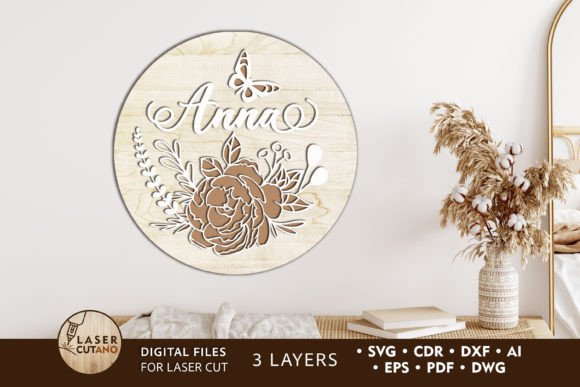
As a designer who spends more time staring at stitch simulations than actual thread, I approach every new asset with a critical eye. When I first encountered the Decorative Wall Panel, Laser Cut Files, my immediate reaction was to set aside my embroidery hoop and pick up a ruler. The product description explicitly states these are "SIGN Digital multilayer layout files" prepared for laser cut and CNC router machines. This is a crucial distinction. While my primary focus is usually the tactile world of machine embroidery design, the principles of structural integrity and visual balance translate directly from digital cutting to physical stitching. For the modern maker running a craft business or an Etsy seller looking to diversify their inventory, understanding how this specific asset bridges the gap between rigid Laser Cutting and soft textiles is essential.
First Impressions: Structure Meets Softness
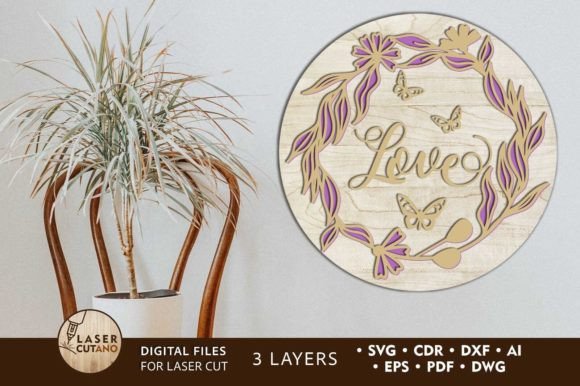
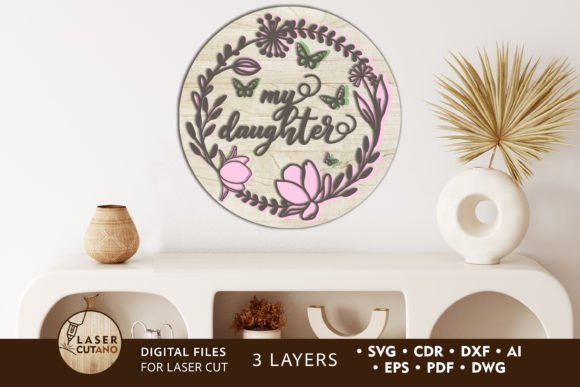
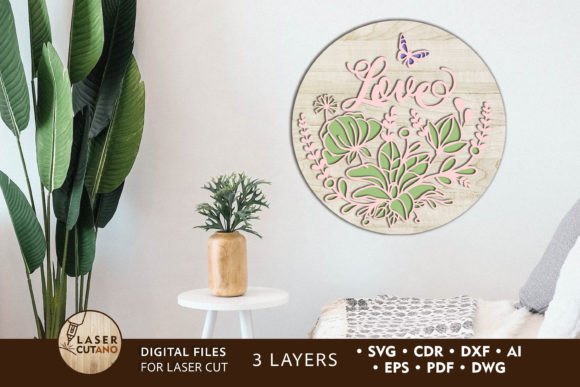
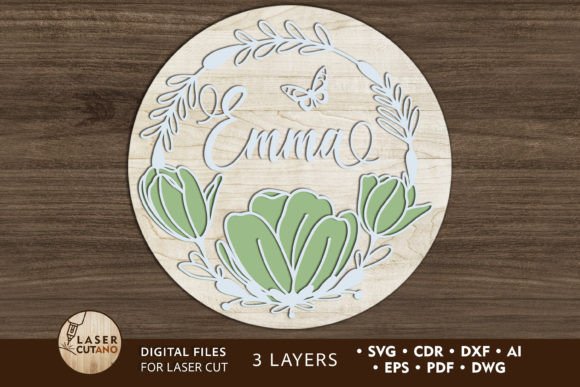
The aesthetic of the Decorative Wall Panel, Laser Cut Files is defined by clean lines and a welcoming simplicity. The description promises a "simple but beautiful" vibe, which is exactly what I need when designing high-end Wall Decor. In the world of embroidery project planning, simplicity often translates to better stitch clarity. However, because these are originally intended as multilayer layout files, the design relies heavily on negative space and overlapping elements to create depth.
When I visualize translating this into a digital embroidery file, I see potential for a stunning applique design rather than a standard fill-stitch pattern. The geometric nature of the panel suggests that using satin stitch for the outlines would provide the necessary definition, while a textured fill stitch could mimic the shadow play of the original laser-cut layers. The mood it creates is one of modern warmth, perfect for a nursery or a boutique entryway. It feels less like a generic motif and more like a curated piece of art, which is exactly the kind of finished product that builds customer trust in a handmade brand.
A Real-World Scenario: The Boutique Pillow Cover
Let’s imagine a practical application. I am preparing a limited run of luxury pillow covers for a local home goods shop. The goal is to create a statement piece that feels architectural yet cozy. If I were to adapt the Decorative Wall Panel, Laser Cut Files concept for this custom apparel or home textile project, I would not simply digitize the outline. Instead, I would treat the design as a multi-layered applique.
Picture a heavy linen fabric in a soft oatmeal color. By using the layout logic of the laser cut file, I can cut the top layer of felt slightly larger than the bottom, creating a raised, 3D effect that mimics the depth of the original Laser Cutting output. The result is a pillow cover that catches the light beautifully. Customers reacting to this handmade product wouldn't just see a stitched image; they would feel the texture. This level of detail elevates the perceived value of the item, allowing me to price it higher than a standard t-shirt transfer. For an apparel decorator or small shop owner, this approach turns a flat design into a tactile experience.
Navigating Technical Challenges in Embroidery
While the design potential is high, moving from a rigid vector file meant for wood or acrylic to a flexible machine embroidery design requires caution. The sharp angles and intricate overlaps found in the Decorative Wall Panel, Laser Cut Files can be problematic if not handled correctly. On textured fabrics like denim or canvas, tiny details might get lost in the weave. Similarly, on stretchy fabric like jersey knit used for sweatshirt embroidery, the tension required to hold the shape could cause puckering around the dense corners.
I would advise against using this design for caps or other curved surfaces without significant modification. The flat geometry of the wall panel does not naturally conform to the dome of a hat, and forcing it could ruin the stitch density and cause thread breakage. Furthermore, if you are working with dark fabric, the contrast provided by the design needs to be tested carefully. A white thread on black velvet might look crisp, but if the thread colors are too similar to the background, the "welcoming vibe" mentioned in the description will vanish.
For items that require frequent washing, such as kitchen towels or aprons, the durability of the stitches becomes paramount. The dense areas required to replicate the laser-cut look might become stiff after multiple washes. In these cases, reducing the stitch density or opting for a looser running stitch border might preserve the fabric's hand-feel while maintaining the design's integrity.
Strategic Use for Your Craft Business
For the creative entrepreneur, the Decorative Wall Panel, Laser Cut Files offers a unique opportunity to stand out. Most sellers are flooding the market with floral or script designs. A geometric, architectural approach signals professionalism and a keen eye for interior trends. This design fits perfectly into a collection of holiday gifts or wedding gifts where a sophisticated aesthetic is preferred over whimsical themes.
However, before you list this as a commercial embroidery service or sell the finished goods, you must address the licensing. Since these are "SIGN Digital" files, you need to confirm whether your license allows for selling the final embroidered item or if it is restricted to personal use. Always check the terms before investing hours into digitizing and stitching. Additionally, consider creating printable mockups to showcase how the design looks on different materials. Showing a customer a photo of the design on a tote bag versus a wooden plaque helps them visualize the versatility of the asset.
Practical Designer Notes for Success
If you decide to bring this design into your studio, follow these steps to ensure a professional outcome:
- Test on Scrap Fabric First: Never stitch directly onto your final material. The interaction between the design's density and your chosen stabilizer can be unpredictable.
- Check Thread Contrast: Ensure the thread colors pop against the background. The simplicity of the design relies on clear visibility.
- Review Stitch Density: If the design feels too heavy, reduce the number of rows in the fill areas to prevent stiffness.
- Confirm Hoop Size: The full layout of the wall panel may be too large for a standard 5x7 hoop. You may need to segment the design or use a larger frame.
- Inspect Small Details: Zoom in on the digital preview. Any line thinner than 0.5mm in the original file will likely fail in embroidery unless converted to satin stitch.
- Compare Backgrounds: Test the design on both light and dark swatches to see how the visual appeal shifts.
- Verify Licensing: Double-check if the digital product license permits commercial sales of the finished personalized gift.
Ultimately, the Decorative Wall Panel, Laser Cut Files is a versatile asset that rewards careful adaptation. It challenges the embroidery designer to think beyond traditional motifs and embrace structural, modern aesthetics. Whether you are making a single embroidered patch for a friend or launching a line of boutique branding merchandise, this design has the potential to elevate your work. Just remember that the transition from a rigid laser-cut file to a soft textile requires patience, testing, and a deep respect for the limitations and strengths of your machine.