Washit Tape Stationary Element: Graphics & Graphic Templates Review
When a client approaches me with a vision for a new handmade brand, the initial conversation often revolves around texture and feeling. They want something that looks tangible, crafted, and warm. Recently, I was tasked with creating a visual identity for a boutique stationery shop launching on Etsy. The brief called for a "handmade" aesthetic without sacrificing professional polish. This is where I turned to the Washit Tape Stationary Element. As an experienced graphic designer, my first priority is always to determine if a digital asset can translate into a real-world commercial product. My goal is to see if this bundle offers the versatility required for branding, marketing visuals, and print-on-demand projects.
First Impressions: Mood and Visual Style
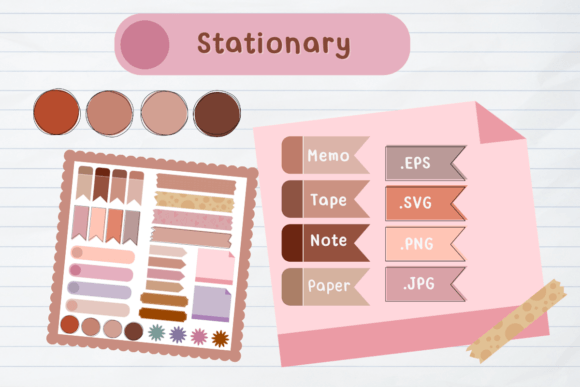
Opening the Washit Tape Stationary Element package, the immediate impression is one of organized creativity. The collection features digital washi tape and memo pad bundles that exude a playful yet structured vibe. In the world of Graphic Templates, finding assets that balance whimsy with usability is rare. These elements do not feel like generic clipart; instead, they resemble high-quality illustrations ready for integration into a cohesive brand identity. The textures mimic real paper and adhesive tape, adding a layer of depth that flat vector shapes often lack. For a small business owner or a crafter looking to elevate their social media graphics, this mood is essential. It suggests care, attention to detail, and a personal touch that resonates with audiences seeking unique products.
Performance in Real Design Situations
To truly test the value of this graphic design asset, I placed it into various scenarios typical of my workflow. First, I applied the washi tape strips as decorative accents on a set of digital invitations. The result was instantly polished, framing the text beautifully without overwhelming the hierarchy. Next, I explored its potential for packaging design. By wrapping the virtual tape around a product mockup for a candle line, the design felt grounded and authentic. The Washit Tape Stationary Element proved equally effective for social media graphics. On Instagram posts and Pinterest pins, the memo pads served as perfect containers for quotes or promotional text, drawing the eye immediately.
I also tested these files for merchandise. Using the SVG files in a Cricut project, I cut out the designs for t-shirt decals and tote bags. The clean lines held up well during the cutting process, ensuring no jagged edges appeared on the final fabric. For printable design enthusiasts, the memo pads offered a great canvas for planners and wall art. Whether used for editorial design layouts or as part of a larger marketing campaign, these Graphics adapt seamlessly. They work particularly well when you need to add a pop of color or a tactile element to a digital layout without introducing heavy, distracting imagery.
Ideal Applications for Branding and Marketing
Where does the Washit Tape Stationary Element shine brightest? It excels in large layout areas where it can act as a hero graphic or a primary decorative feature. In product mockups, these elements add realism that stock photos sometimes miss. They are also ideal for themed collections, such as back-to-school campaigns or seasonal holiday promotions. When designing for a handmade business, these assets help establish a consistent visual language across all touchpoints, from the website header to the thank-you card included in a shipment. They serve as excellent supporting brand elements that reinforce the "crafted" narrative without requiring custom illustration from scratch.
For Canva templates, these files are a goldmine. Designers can drag and drop the PNG versions to quickly assemble professional-looking presentations or blog headers. The versatility extends to sticker design and label creation, where the washi tape patterns can frame product information elegantly. Even in web design, using these elements as section dividers or background accents can break up monotony and guide the user's eye through content more naturally.
Cautions and Limitations in Professional Work
While the Washit Tape Stationary Element is powerful, it is not a universal solution. Designers must exercise caution when using these assets in crowded layouts. If too many tape strips and memo pads are layered together, the visual hierarchy can collapse, making the design look cluttered rather than curated. Similarly, these elements should be used carefully in minimalist branding projects. A sleek, corporate law firm logo would clash with the playful nature of washi tape. The asset works best when the brand voice allows for warmth and approachability.
Another consideration is contrast. When placing light-colored tapes on white backgrounds, readability can suffer. Always test your design in black and white to ensure the elements still hold their shape and purpose. Additionally, avoid using low-resolution versions for large format prints. While the bundle includes high-quality files, stretching a raster image beyond its limits will degrade the quality. For professional corporate materials that require a strict, serious tone, these Graphics might undermine the desired message of authority.
Practical Designer Notes and Technical Checks
Before committing any commercial design asset to a client project, I perform a rigorous technical review. The Washit Tape Stationary Element comes with a robust file structure, including EPS, SVG, PNG, and JPG formats. This variety is crucial. The SVG design files allow for infinite scalability, which is vital for sublimation design and large signage. I always inspect the vector paths to ensure they are clean and editable. The EPS files are perfect for traditional print workflows, while the PNGs with transparency are essential for overlaying onto complex backgrounds in Photoshop or Illustrator.
I recommend previewing the assets at both small and large sizes. A cute memo pad might look charming at full size but become an illegible blob when shrunk for a favicon or a mobile ad. Testing print quality is also non-negotiable. Print a sample sheet to check how the colors reproduce on physical paper. Compare the fonts paired with these elements; a handwritten font complements the washi tape perfectly, whereas a bold sans-serif font can create an interesting modern contrast. Finally, always confirm the commercial license. Ensure you have the right to use these design assets for unlimited client projects, resale items, or print-on-demand stores. Without proper licensing, even the most beautiful design can lead to legal trouble.
Final Verdict for Creative Professionals
In conclusion, the Washit Tape Stationary Element is a valuable addition to any designer's toolkit, especially those working with lifestyle brands, crafters, and small businesses. It bridges the gap between digital convenience and analog charm. By offering a range of file formats and versatile styles, it supports everything from logo design accents to full-scale packaging design. However, its success depends on thoughtful application. Used correctly, it enhances emotional appeal and audience engagement. Used poorly, it can clutter a design. As we navigate the creative marketplace, having access to high-quality, flexible assets like this bundle allows us to deliver exceptional results faster. For designers aiming to create polished, heartfelt visuals for real clients, this design bundle is definitely worth exploring.